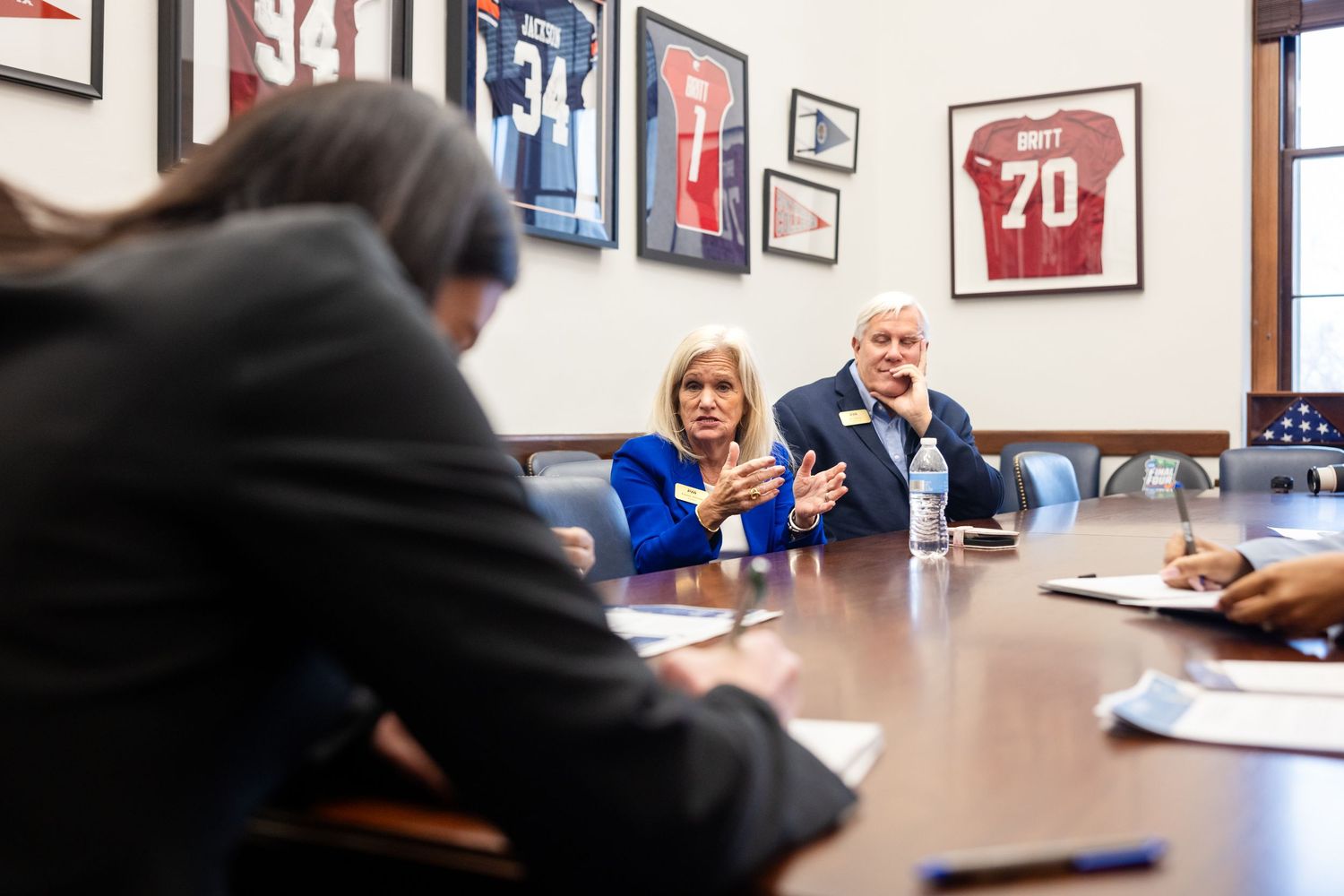
Planning a large Capitol Hill Day in Washington, DC? Here’s how to get the group photos you need without throwing your schedule off track.
Getting 50, 100, or even 200 people together for a group photo sounds simple enough. Get everyone in one place, ask them to smile, take the picture, and move on. Right?
If you’ve ever planned an association event, legislative fly-in, or advocacy day, you probably already know it’s rarely that easy.
Some attendees are coming from another meeting. Others are trying to find their chapter leader. Someone is answering an important phone call, a few people are still on the elevator, and your next congressional meeting is quickly approaching.
And somehow, you still need everyone to fit into one photograph.
As a corporate event photographer serving Washington, DC, Maryland, and the greater DMV, I know that photographing a large delegation takes more than having a camera with a wide lens. It takes a plan, clear communication, and a photographer who understands that your event schedule cannot stop every time you need a photo.
If you're organizing a Capitol Hill Day for a national association, professional organization, nonprofit, or advocacy group, here’s how to make large group photography run more smoothly, whether you're bringing 50 people to the Hill or coordinating a delegation of 200.
Why Large Capitol Hill Day Group Photos Need a Plan
Your delegation photo may end up being one of the most-used images from the entire event.
It can appear in your annual report, member newsletter, social media recap, advocacy campaign, website, and next year's registration materials. It documents who showed up and demonstrates the collective effort behind your organization's work.
For larger associations, these photos can also help tell a broader story. You may have members traveling from dozens of states, different regional chapters, or multiple professional specialties. Getting everyone together is an opportunity to show the reach and strength of your organization.
But there is a catch: the larger the delegation, the more important the logistics become.
A group of 50 may need help arranging rows and making sure everyone is visible. A group of 100 may require a carefully chosen location and a designated person to help gather attendees. A group of 200 may need a more detailed plan, additional setup time, and potentially more than one photographer.
The goal is not to make your group photo complicated. It's to avoid making it complicated on the day of your event.
1. Choose the Right Location Before Everyone Arrives
When you're photographing a large advocacy delegation in Washington, DC, the location matters just as much as the number of people.
You need enough room for attendees to gather, space for the photographer to work, and a background that fits the occasion. You also need to consider accessibility, foot traffic, lighting, and any applicable building or photography restrictions.
Depending on your event schedule and permissions, potential locations might include an appropriate exterior area near the U.S. Capitol or a designated gathering space near congressional office buildings such as Rayburn, Russell, Hart, or Dirksen.
Not every location will accommodate every group, and you should never assume photography is permitted in a particular space. Confirm access and any restrictions in advance.
When choosing a location, consider:
- Space: Can 50, 100, or 200 people fit comfortably without blocking entrances or pedestrian traffic?
- Visibility: Can attendees be arranged so people in the back aren't hidden behind the people in front?
- Lighting: Will the group be in direct sunlight, deep shade, or a challenging mix of both?
- Background: Does the location help establish that your organization is in Washington, DC?
- Accessibility: Can attendees reach the spot safely and comfortably?
- Timing: Can your group gather there without creating a conflict with meetings or other scheduled activities?
If you're working with a large delegation, I recommend identifying a primary location and a backup whenever possible. A little advance planning can save your team a lot of stress.
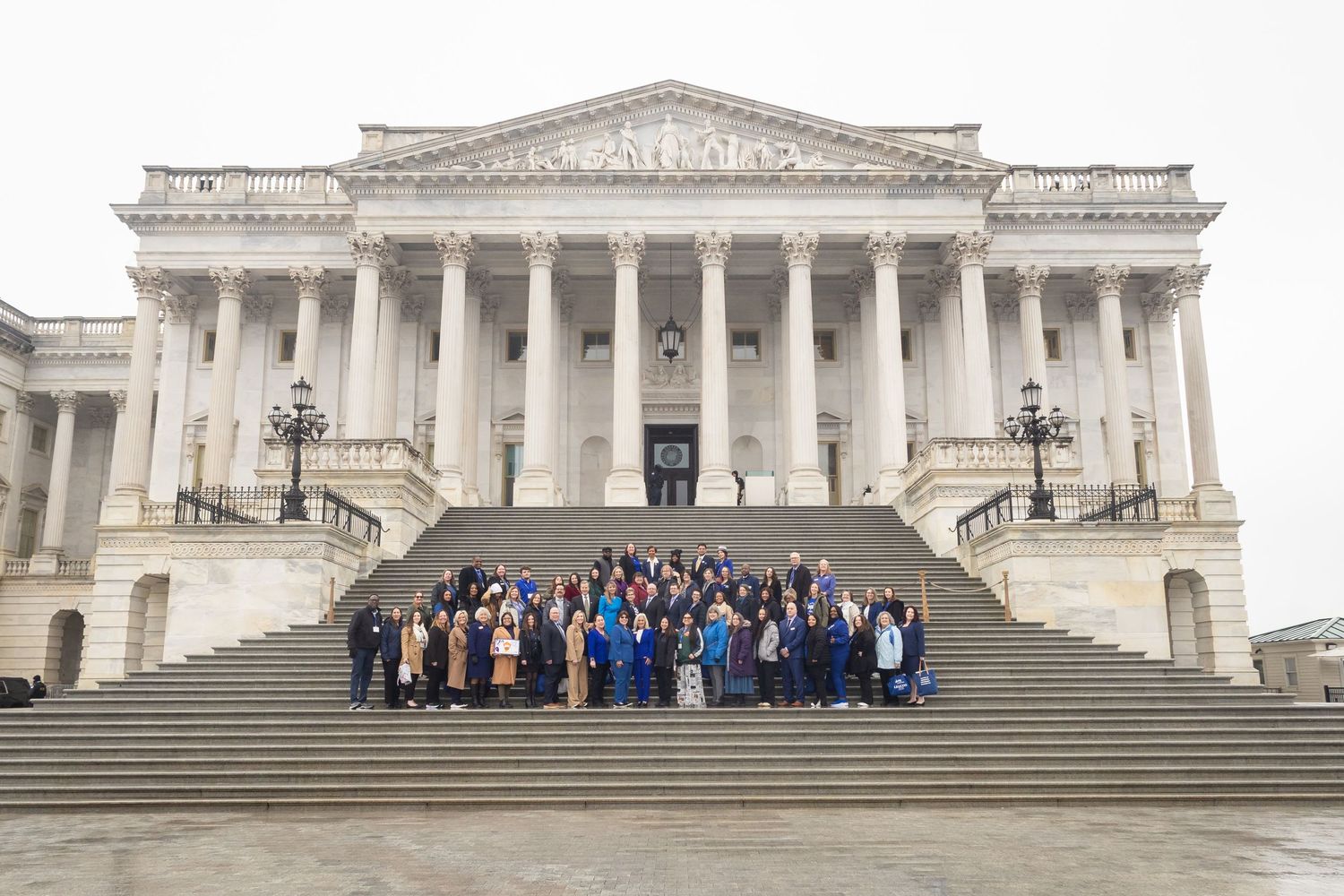
2. Give the Group Photo Its Own Time Slot
One of the biggest mistakes you can make is treating the delegation photo like something that will happen whenever everyone has a spare moment.
With a small group, you may be able to gather everyone quickly. With 100 or 200 people, you need to account for people arriving late, finding their place, adjusting the arrangement, and getting a few usable frames.
And if your attendees are moving between congressional meetings, every minute matters.
Build a dedicated group-photo slot into the official schedule. Share the meeting time and location in advance, and ask attendees to arrive a few minutes early.
Your timeline should account for:
- Gathering everyone in one place.
- Arranging people into rows or smaller sections.
- Making sure important attendees are included.
- Taking several frames to account for blinking and missed expressions.
- Capturing any additional chapter or leadership portraits.
- Allowing the group to disperse and continue to its next activity.
The exact amount of time needed depends on the group size, location, access, and number of photos you want. A group of 50 with one planned portrait will generally require less coordination than a 200-person delegation that also needs individual chapter photos.
My advice? Give the group photo more time than you think you'll need, especially if it's a must-have image. It's much easier to finish early than to have your event schedule fall apart because 150 people are still trying to get into position.
3. Organize Attendees Before the Photographer Starts Shooting
Your photographer can help direct a group, but they shouldn't have to figure out your entire organizational structure while everyone is waiting.
If your delegation includes state chapters, regional groups, committees, board members, or other smaller teams, decide how those groups will be organized before the event.
For example, a national association might have 100 attendees representing 20 states. If each state needs its own photo, that is a different plan from simply taking one full delegation portrait.
Before the event, ask:
- Who is responsible for gathering each chapter or regional group?
- Are there specific people who must be included in the full delegation photo?
- Do any attendees need to leave early for congressional meetings?
- Are leadership portraits or board photos also required?
- Is there a staff member who can help identify people and answer questions?
I recommend assigning one point person to coordinate attendees and, when possible, a chapter leader or volunteer to gather each smaller group.
This keeps your photographer focused on photography while your event team handles the people and schedule they already know best.
4. Don't Forget the Smaller Chapter Photos
Your full delegation photo tells the big-picture story. Smaller chapter photos help tell the individual stories within it.
If your members have traveled from across the country, they may want a photo representing their state, region, or local chapter. These images can be especially useful for chapter newsletters, local advocacy updates, member recognition, and social media.
For a large Capitol Hill Day, your shot list might include:
- One full delegation photo.
- State or regional group portraits.
- Chapter or affiliate photos.
- Board and executive leadership portraits.
- Government relations or advocacy team photos.
- Approved photos with members of Congress or congressional staff.
The important thing is to decide which photos are essential and which are optional.
If you have 200 attendees and 15 chapter groups, you don't want to discover halfway through the day that everyone expected an individual chapter portrait, but the schedule only included five minutes for photography.
There are a few ways to approach this.
Option one: Photograph everyone together first. This ensures you have the main delegation photo before people split off for meetings.
Option two: Schedule chapter portraits in planned groups. Assign specific times and gathering points so attendees know when and where to meet.
Option three: Photograph smaller groups throughout the day. This may work when chapter meetings or congressional visits are already scheduled at different times, provided the schedule and permissions allow it.
The right approach depends on your event. The key is making those decisions before the day gets busy.
5. When Should You Hire More Than One Photographer?
This is a question worth asking early, especially if you're organizing a large association event.
A bigger delegation doesn't automatically mean you need multiple photographers. One experienced photographer can often handle a planned group portrait and a focused shot list for a well-organized event.
But when your schedule gets more complicated, additional coverage may be a worthwhile investment.
You may want to consider a second photographer when:
- You have overlapping meetings. Your members are meeting with congressional offices in different locations at the same time.
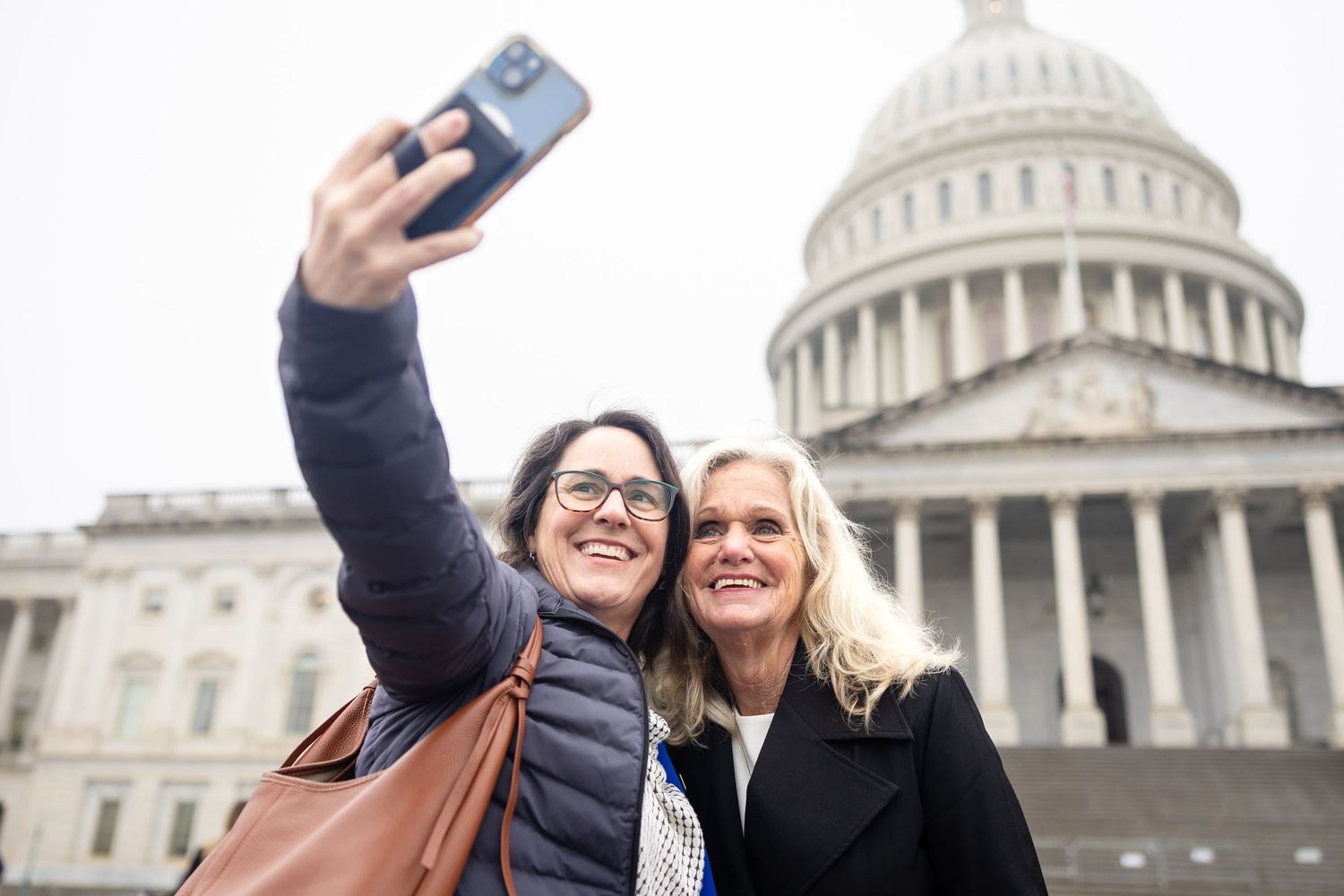
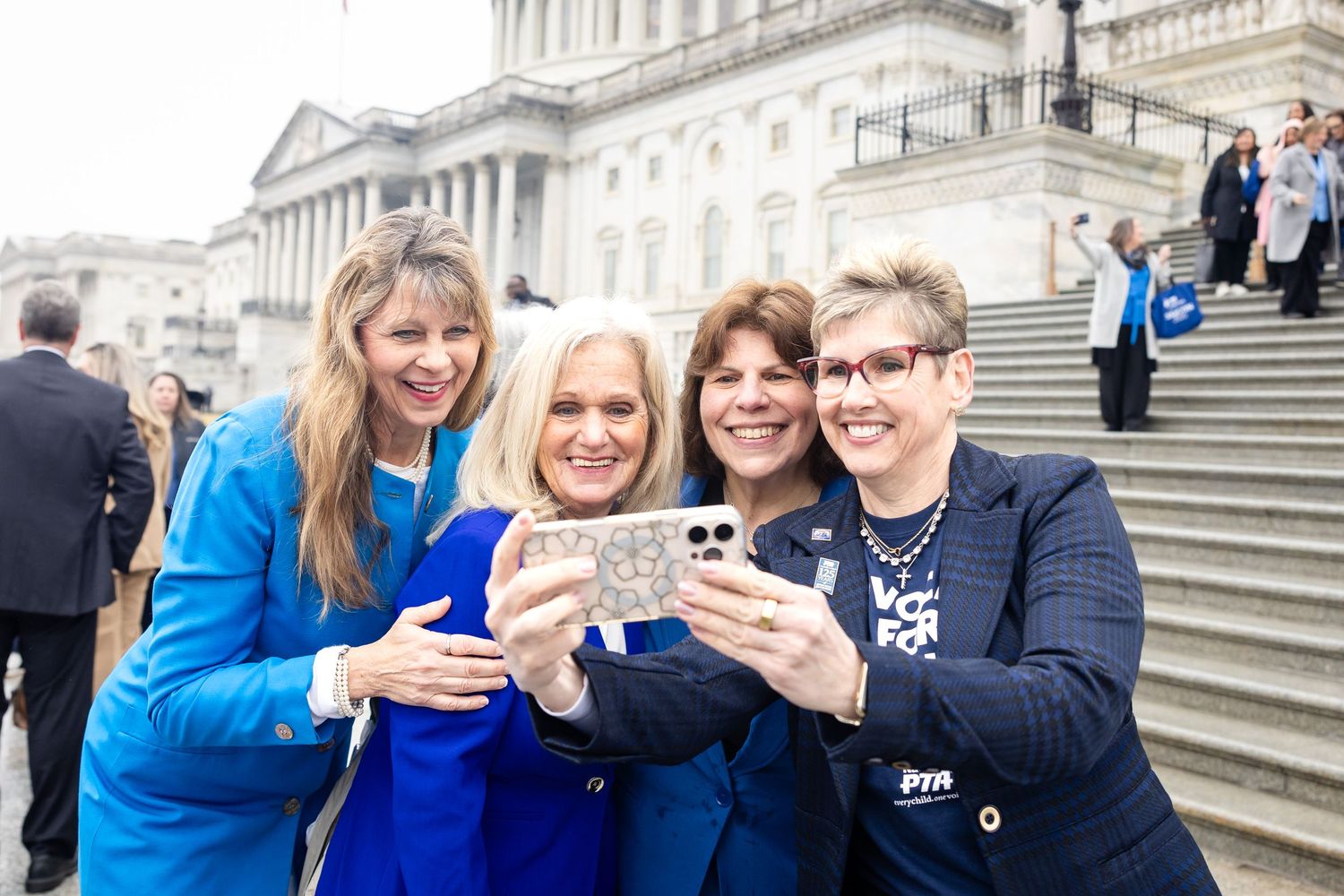
- You need both the big picture and the details. One photographer can focus on the full delegation while another captures candid interactions or smaller chapter groups.
- Your group is spread across multiple buildings. Moving between locations may make it difficult for one photographer to cover every priority.
- You have a large number of required portraits. Multiple chapters, leadership teams, and approved congressional meeting photos can add up quickly.
- You need photography and video simultaneously. A dedicated videographer can capture motion and sound while your photographer focuses on still images.
- Your turnaround is especially tight. A larger team may help with coverage and workflow, depending on the delivery requirements.
For example, imagine 150 association members visiting several congressional offices across Capitol Hill. If all the meetings happen one after another, one photographer may be able to cover the priorities with careful scheduling. If four meetings happen simultaneously in different locations, no single photographer can physically document all four.
That is when adding another photographer becomes a practical decision, not just an upgrade.
When requesting a quote, share the number of attendees, number of locations, overlapping activities, required portraits, and expected delivery timeline. Those details will help your photographer recommend the right level of coverage.
6. Make Sure Your Photographer Knows Which Photos Matter Most
A large event can produce hundreds or even thousands of possible moments. Your photographer needs to understand which ones matter most to your organization.
Are you trying to document participation across all 50 states? Do you need a full delegation photo for a press release? Are photos with lawmakers a major priority? Does every chapter need its own portrait?
Those priorities affect how the day should be planned.
Before the event, share a photography brief that includes:
- Your event schedule and building locations.
- A list of must-have group photos.
- Names or descriptions of key attendees.
- Any confirmed congressional meeting photo opportunities.
- Branding or signage that should be documented.
- Photography and access restrictions.
- Your preferred delivery deadline.
- How the photos will be used after the event.
You don't need a 20-page production document. A clear schedule, a prioritized shot list, and one reliable point of contact can go a long way.
Also, remember that congressional meeting photos must be coordinated with the relevant office. Confirm that photography is allowed before the meeting, and follow any restrictions on where photos may be taken or how they may be shared.
7. Think About the Photos You'll Need After Everyone Goes Home
Your delegation photo is important, but it shouldn't be the only image you plan for.
Once the event is over, your communications team may need photos for a recap, a newsletter, a board presentation, a member update, or next year's registration campaign.
A well-planned gallery can include a mix of:
- Full delegation and chapter portraits.
- Approved congressional meeting photos.
- Candid conversations and interactions.
- Organizational branding and advocacy materials.
- Environmental images that establish the Washington, DC setting.
- Leadership, staff, and volunteer portraits.
Think about where the photos will appear, too. Horizontal images can work well for websites and reports, while vertical images may be more useful for certain social media placements. Let your photographer know your priorities ahead of time.
If your organization needs a few images quickly for a same-day update or press deadline, discuss that before booking. Early delivery may require a specific workflow or a smaller set of priority images rather than a complete edited gallery.
8. How Much Does Large Group Photography Cost in Washington, DC?
The cost of hiring a photographer for a large Capitol Hill Day depends on more than the number of people attending.
The scope of coverage matters. A single scheduled delegation photo is very different from an entire day of photography across multiple buildings, chapter portraits, congressional meetings, and candid event coverage.
When planning your budget, consider:
- Coverage hours: How long do you need the photographer on site?
- Number of locations: Will coverage take place in one area or across multiple buildings?
- Group size and complexity: How many large group and smaller chapter photos are required?
- Additional photographers: Are there overlapping meetings or simultaneous activities?
- Video coverage: Do you need interviews, short clips, or a recap video?
- Delivery timeline: Do you need selected images the same day or next day?
- Travel and logistics: Are there additional transportation, parking, access, or scheduling considerations?
If you're comparing quotes, make sure you're comparing the same scope of work. A quote for one group portrait should not be compared directly with a proposal that includes full-day event coverage, multiple chapter photos, and simultaneous meeting coverage.
For a larger association, the most cost-effective approach is often to plan the shot list and schedule carefully before adding hours or team members. But if your must-have moments overlap, it may be worth investing in additional coverage rather than accepting gaps in the final gallery.
The goal is to build a photography plan that fits your budget while capturing the images your organization genuinely needs.
Your Large Capitol Hill Day Photography Planning Checklist
Before you finalize your photographer booking, run through this list with your event team.
- Confirm the total delegation size.
- Identify the primary group-photo location and a backup.
- Confirm access and photography permissions.
- Schedule a dedicated time for the full delegation photo.
- Identify state, regional, and chapter groups.
- Assign staff or volunteers to gather attendees.
- Create a prioritized list of must-have photos.
- Flag overlapping meetings and separate locations.
- Decide whether additional photographers or a videographer are needed.
- Share the event schedule and building details.
- Confirm image delivery timing and intended uses.
- Designate one point of contact for schedule changes.
The earlier you work through these details, the easier it is to keep photography from becoming another thing your event team has to scramble to manage.
Planning a Large Capitol Hill Day? Let's Talk.
Bringing 50, 100, or 200 people to Washington, DC is a significant undertaking. Your members are giving their time to advocate for your organization's priorities, and you deserve photographs that document that effort thoughtfully and professionally.
At Maryland Corporate Photographer, I work with associations, nonprofits, professional organizations, and corporate teams to capture the people and moments that make their events meaningful.
For Capitol Hill Day photography, that means thinking beyond the camera. It means understanding the schedule, planning for group photos, coordinating around approved meeting opportunities, and helping your team get the images it needs without unnecessarily disrupting the day.
Whether you need a single delegation portrait or full event coverage across multiple locations, we can talk through your priorities and create a plan that makes sense for your group.
Planning a legislative fly-in or association Hill Day in Washington, DC?
Visit Maryland Corporate Photographer to learn more and inquire about photography coverage for your next event.